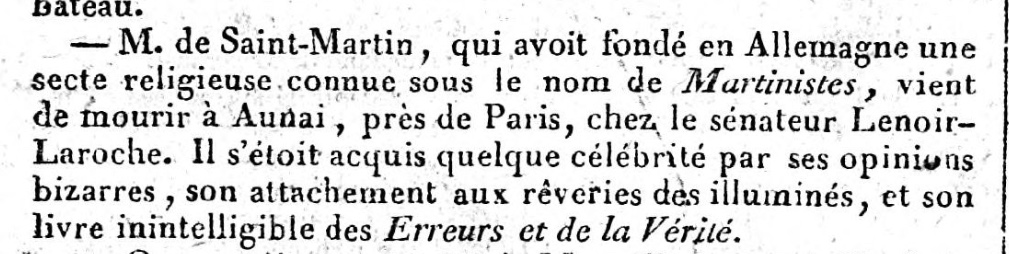
The text below was published in the broadsheet 'Journal des débats' on November 6, 1803. "M. de Saint-Martin, who had founded in Germany a religious sect known as the Martinists, has just died at Aunay, near Paris, at the home of Senator Lenoir-Laroche. He had acquired some celebrity for his bizarre opinions, his attachment to …
The Burning of the Clavie
At the start of the New Year, I had the pleasure of attending a traditional fire ritual known as 'The Burning of the Clavie'. The burning is an ancient Scottish custom still observed in the village of Burghead, a fishing village on the Moray Firth. The clavie is a collection of casks split in two, …
Teaching RE to Refugees: Hot-pants and Headscarves – The Dialectics of Identity.
The ‘Othering’ phenomena is something that is clearly reproduced, reinforced, and experienced by people all around the world, regardless of their race, language, gender, class, nationality, or religion. In classrooms made up of truly diverse groups of children, what are the challenges faced by RE teachers and how do they tackle the ‘Othering’ impulse? With …
Continue reading "Teaching RE to Refugees: Hot-pants and Headscarves – The Dialectics of Identity."
Travels in Rajasthan, India | 25.53° N, 73.13° E
‘That man over there is a snake charmer; we must do our very best not to pay him any attention’. I looked him right in the eye; right over my glasses I peered and being unable to avoid yet another vagrant holy cow, my guide, and I took an awkward step back. Smiling, he warned …
Continue reading "Travels in Rajasthan, India | 25.53° N, 73.13° E"
Identity, Belonging and Justice: Learning to be Scottish
Since the establishment of the Scottish Parliament in 1999, political debate in Scotland has continuously highlighted a commitment to the ideal of a ‘fairer society’ (Mooney and Scott, 2012, p.2). Perceived as something of a cornerstone in the grand narrative of Scottish national ‘identity’, this notion of ‘fairness’ is one often identified alongside that other …
Continue reading "Identity, Belonging and Justice: Learning to be Scottish"
The Many Sacred Veils: Language, Text and Esotericism in Initiation
Abstract: In the following paper I intend to illustrate the inherent importance of Plato’s 'Allegory of the Cave' in the Western Esoteric Tradition. Plato's Allegory has for centuries been read as representing the idea of a process in increased hermeneutical understanding; as a turn towards to the Sun, to the alchemical 'unus mundus', as it were - in other words, …
Continue reading "The Many Sacred Veils: Language, Text and Esotericism in Initiation"
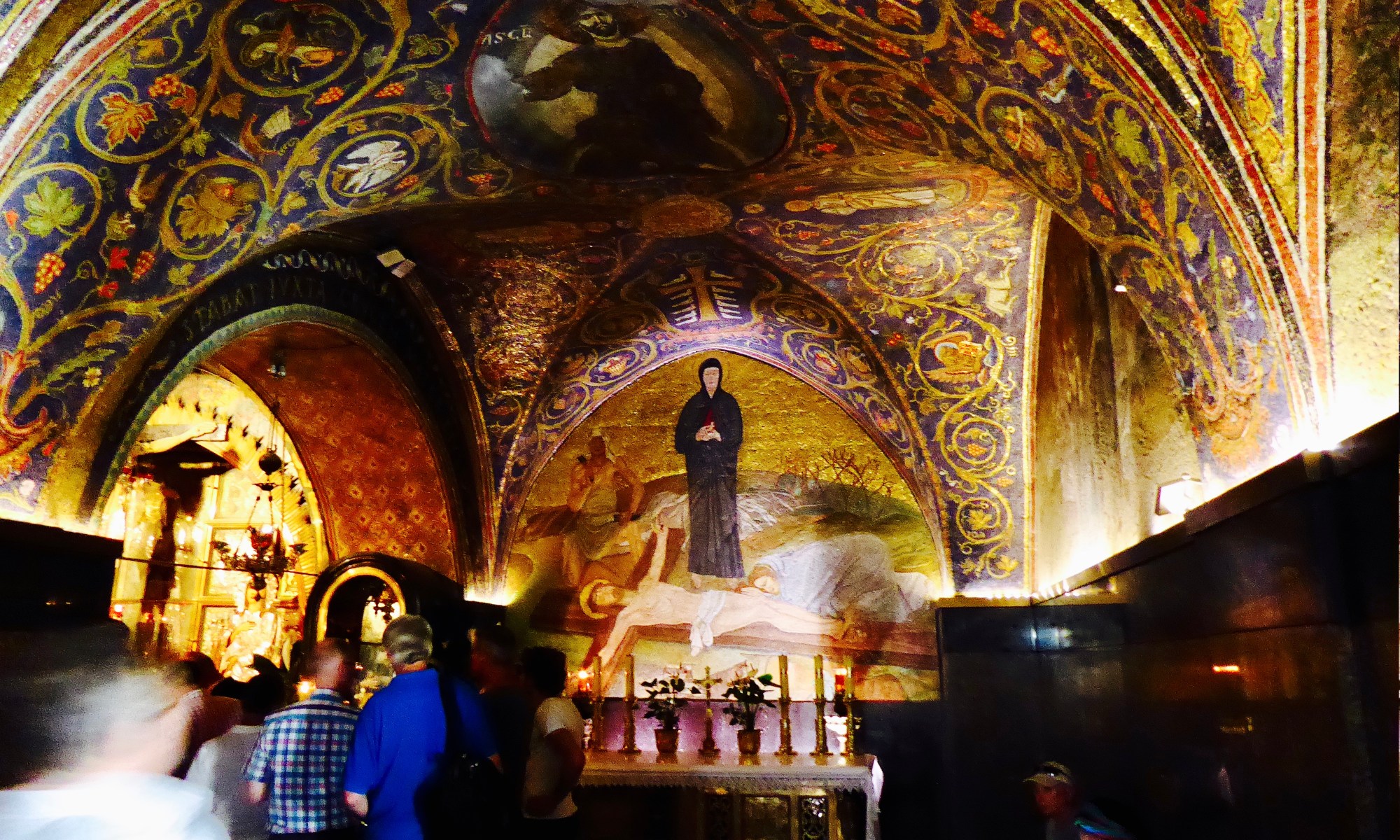
Jerusalem: Photographic Essay
'And did those feet in ancient time'..... A photographic essay from a recent trip to Jerusalem, Israel. These pictures were taken days before the escalating Israeli-Palestinian tensions turned into violence that killed six people: three Palestinians in street clashes in Jerusalem and three Israelis in a stabbing attack at a West Bank settlement. Three Palestinians …
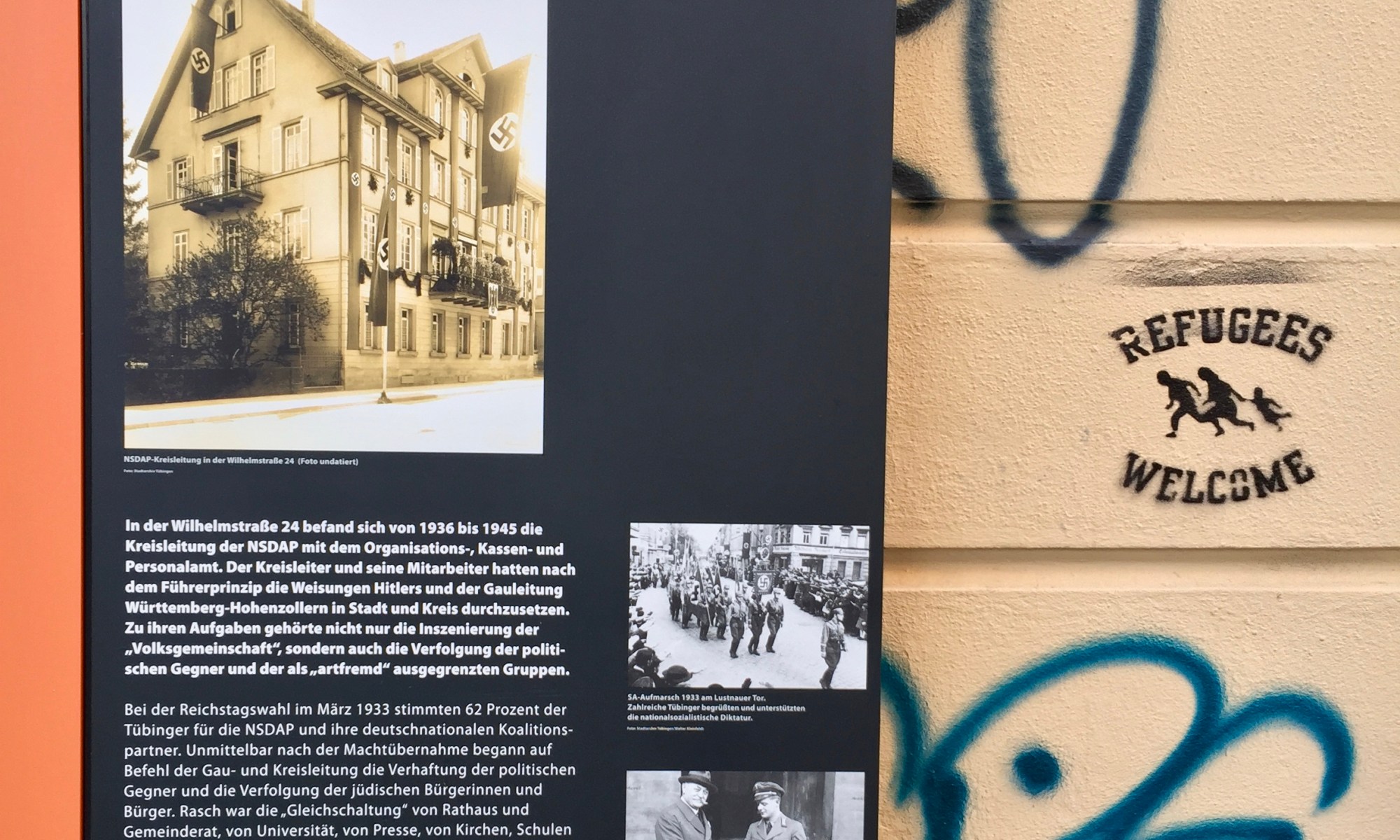
Nietzsche Wept: Stiftung Weltethos (The Global Ethic Foundation) of Tübingen
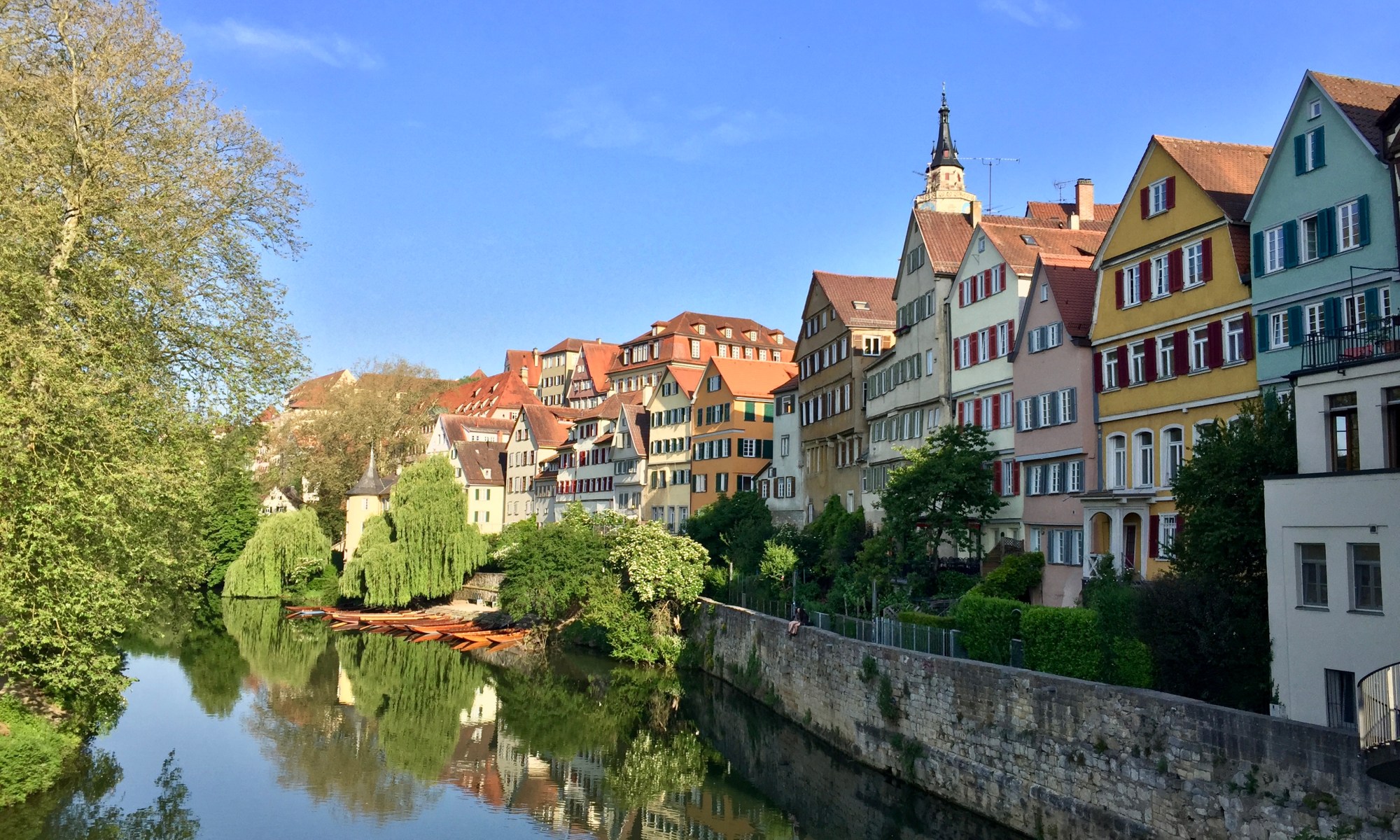
It was with great pleasure that we found ourselves spending the week on the top floor of a beautiful old sixteenth-century house in the heart of Tübingen. Situated in the footsteps of Hohentubingen Castle (Schloss), our apartment looked out over the old school house of Hegel and Joseph Schelling. Known as the Tübinger Stift, the …
Continue reading "Nietzsche Wept: Stiftung Weltethos (The Global Ethic Foundation) of Tübingen"
Pseudo-Dionysius the Areopagite: De coelesti hierarchia (c.500)
Athenians, I see how extremely religious you are in every way. For as I went through the city and looked carefully at the objects of your worship, I found among them an altar with the inscription, ‘To an unknown God’. What therefore you worship as unknown, this I proclaim to you. Acts 17. 22-34 Unknown: God …
Continue reading "Pseudo-Dionysius the Areopagite: De coelesti hierarchia (c.500)"
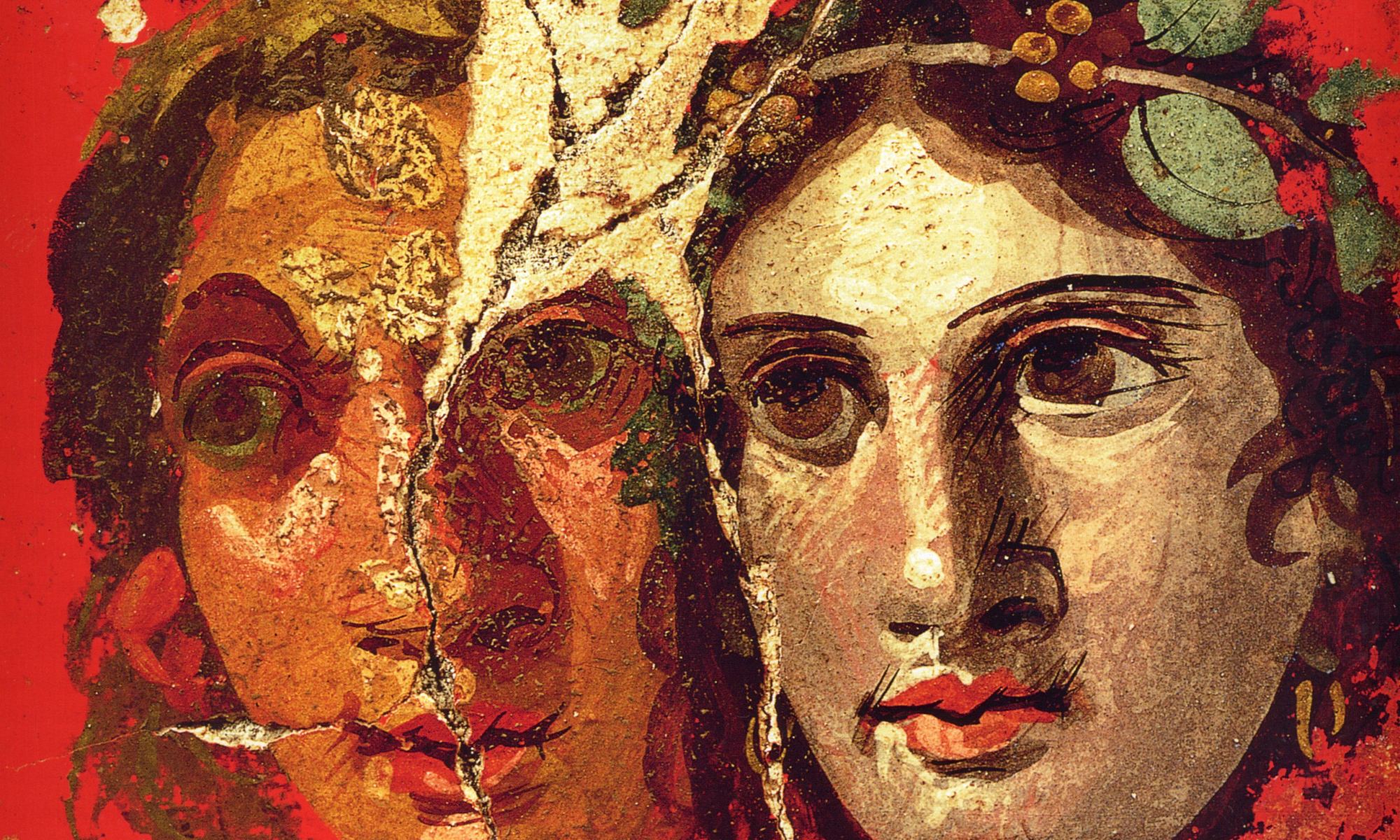
Renaissance Syncretism: Plato, Christ, Hermes & Aristotle
The habit of describing the Renaissance in terms of Platonic progression and the Middle-Ages as Aristotelian status quo should be avoided. The eminent scholar James Hankins illustrated that there is no doubt Plato’s contribution is both seminal and evident, even more so with Marsilio Ficino's (1433-1499) efforts, but Aristotelian thinking was ever present throughout the …
Continue reading "Renaissance Syncretism: Plato, Christ, Hermes & Aristotle"